Showing all 6 resultsSorted by popularity
-

$34.95
Comics studies scholars engaging comparative mythology tend to limit critical approaches to superhero fiction and classical and religious texts. Even the popular argument that superheroes are a “modern mythology” typically does not venture outside these limitations. Tolkien’s legendarium, Lovecraft’s mythos, Tennyson’s revisions to Arthurian myth, and Blake’s mythology don’t quite fit the creative models that…
-

$29.95
Crime comic books in the 1950s caused controversy leading to their suppression and near extinction. Twenty-five years later, the dark hero, femme fatale, and bleak outlook of crime story comic books are even more striking and subversive. Terrence Wandtke traces the history of crime comics from their beginnings to the current resurgence and analyzes the…
-
$29.95
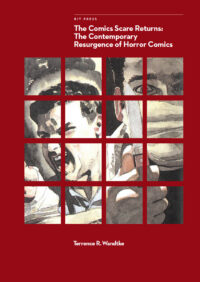
The popularity of horror comics in the 1950s was curtailed by a suppression of popular horror stories by those concerned with juvenile delinquency and bad taste. Thirty years later, creators Alan Moore and Neil Gaiman produced popular and artful comics like Swamp Thing and The Sandman that took advantage of the new shape of American…
-

$29.95
In Narrative Structure in Comics: Making Sense of Fragments, Barbara Postema seeks to explain how comics communicate and create meaning, with an emphasis on two aspects of comics. She first examines the pictorial quality of comics, which receives more emphasis than verbal/textual elements. Her second focus is upon the storytelling and narrative qualities of comics,…
-

$29.95
As the founding fathers of the superhero comic books, Superman and Batman have defined a genre of American mythology from the mid-twentieth century to the present. The author describes how the Man of Steel and the Dark Knight dealt with their midlife crises brought on by the cultural and social changes of the 1960s and…
-

$29.95
Part interpretive criticism, part philosophical meditation, Regarding Frames: Thinking with Comics in the Twenty-First Century explores the ways that literary comics engage readers in the mutual construction of meaning. Kwa draws from a wide range of philosophical, critical, and theoretical texts to analyze the visual and verbal narrative strategies that artists use. She examines the…