Ed Catto: It’s a Groovement!


 Last week I reviewed several of the brave souls â you might call them entrepreneurs or creators â from the recent New York Comic Con. Thereâs something inspiring about creators who work so hard on a project and then work just as hard, or even harder, getting the word out at comic cons. I love conventions and always have, but letâs face it, being an exhibitor can be tough.
It comes natural to some guys, like the incredibly charismatic and energetic Billy Tucci. Heâs got talent, personal confidence, a great family behind him and a smile for everyone. But for most exhibitors, itâs a grind. And thatâs why I showcased all those creators in last weekâs column.
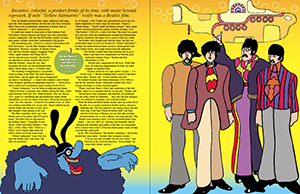
This week we take a deeper dive with author Mark Voger. His newest book, Groovy: When Flower Power Bloomed in Pop Culture is on sale next month from TwoMorrows. The book looked fantastic at NYCC and Mark is a fascinating, passionate guy. I caught up with him after the show.
Ed Catto: Can you tell me a little about the book and the background behind what prompted you to write it and get it published?
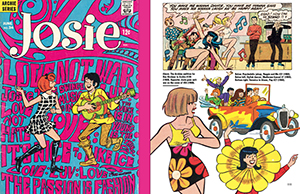
Mark Voger: Groovy is all about the psychedelia of the 1960s â the crazy colors and wild music and dancing hippies. Itâs not a purist work; I cover H.R. Pufnstuf as well as Woodstock. I was always fascinated with this period. I was eleven when Woodstock happened, so I was old enough to notice what was going on but too young to participate. I would hear Crimson and Clover by the Shondells on the radio and then see the Banana Splits on Saturday morning TV, and it all somehow fit together in my young brain.
EC: This book looks so different from the many books of TwoMorrows. What makes it different, and does this appeal to a different type of reader?
MV: This oneâs a bit outside of TwoMorrowsâ wheelhouse. Their bread and butter is comics history, though they do branch out on occasion. My book covers groovy culture overall â music, movies, TV, art, animation and, certainly, comics. Itâs very visual. Iâm hoping it will appeal to TwoMorrowsâ core, as well as the wider audience that remembers this period, or young people who dig it and want to find out more about it.

 EC: Did you run across any surprises in writing it, and what will surprise the readers?
MV: I absolutely did. When I started the project, I expected Groovy to be mostly a lighthearted romp. It is very lighthearted, but thereâs more of the dark than Iâd expected. You really canât separate groovy culture from the grim events of the era â the assassinations, the struggle for Civil Rights, the Vietnam War. Groovy culture was very much a response to all of the bad stuff. Itâs like the lone flower that grows in a neglected parking lot full of broken glass and cracked concrete. Iâm hoping readers will be surprised by what the creators of the culture have to say. Over a 25-year period, I interviewed every groovy musician, actor, artist, director, etc., I could track down â Peter Max, Donovan, Melanie, Brian Wilson, Peter Fonda, lots of Woodstock and Altamont veterans. My aim was to preserve their memories.
 EC: The design and layout of the book is fresh and engaging. Whatâs the story behind the design?
MV: Thank you; I designed the book as well. Iâve carved a career as a writer-designer for newspapers, and Groovy is the latest result. My aim was to make the book itself a psychedelic experience as you page through it. The great thing about psychedelia is that you canât overdo it. But, of course, you still must follow certain rules of design â legibility, complementary color schemes, clear points of entry, just overall reader-friendliness. Still, I took a couple of calculated risks. Thereâs a brief interview with artist Jim Steranko in which the story itself, the type, swirls in a psychedelic way. Itâs a challenge for the reader, almost like a little game, in the spirit of the era.
EC: What reactions to the book did you get at NYCC?
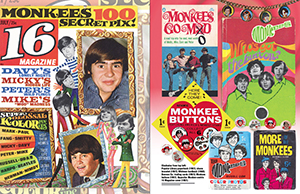
MV: It got an encouraging response, I think. I had an enlargement of the cover hanging at the TwoMorrows booth. It was interesting how young girls would often stop and page through the book. I think theyâre attracted to the colors; itâs a very colorful piece. A young Japanese woman, who is an artist, stopped and looked at every page for about half the book, and she was almost squealing with delight. I treasure that moment. A woman turned to a spread of Monkees memorabilia and said, âI had all of this stuff!â Those are exactly the responses Iâm hoping for.

EC: Anything else to add?
MV: Well, thanks for your interest in Groovy, Ed. I would only add that looking back at this period is a lesson about whatâs going on now. I donât talk about current events in âGroovyâ â that would only date the book â but itâs as if we need a refresher course in so many things that people fought for in the â60s, Civil Rights and the environment among them. Weâre all in this together. Kindness rocks. âSmile on your brother,â a lyric from a 1967 Youngbloods song, is still a terrific idea.
⢠  ⢠  ⢠  ⢠  â¢
Groovy: When Flower Power Bloomed in Pop Culture book ships on November 15. The list price is $39.95 and the ISBN number is 978-1-60549-080-9. It’s a 192-page hardback in color. Grab it a bookstore, online or best of all, at your favorite comic shop.